
In today’s competitive business landscape it is a common mistake to prioritize technical skills and professional qualifications over soft skills like communication, teamwork, adaptability, and problem-solving.
However, these underrated skills are crucial across all aspects of human capital management, from recruitment to performance evaluations. Technical skills alone are insufficient; effective interaction and team dynamics are vital for both individual and organizational success. People skills are essential, not just nice-to-have, as they drive employee performance and competitive differentiation.
By embracing these skills, organizations can create a more dynamic, responsive, and successful workplace. A balanced approach to development is essential. Valuing interpersonal skills as much as technical capabilities empowers the workforce and drives global success.
To illustrate this, we will explore the impact of these skills by examining their benefits across job roles and strategies for integrating training. This exploration aims to show how fostering people skills creates environments where employees thrive and businesses prosper.

What are Soft Skills – Key Aspects
Soft skills is also referred to as interpersonal or people skills. These are skills that boost communication, collaboration, adaptability, and problem-solving. They include various interpersonal abilities and personal attributes. These skills are vital for enhancing both individual and organizational performance. They play a central role in building relationships, fostering teamwork, and navigating workplace challenges, underscoring their importance at every organizational level. Here are five key aspects of interpersonal skills:
- Communication: Effectively exchanging information, ideas, and emotions with others, whether through speaking, writing, or other forms of media.
- Teamwork: Working harmoniously with others to achieve shared goals and objectives.
- Adaptability: Flexibly adjusting to new conditions or environments and managing change efficiently.
- Problem-Solving: Identifying challenges and devising solutions using analytical thinking and creativity.
- Emotional Intelligence: Understanding and managing one’s own emotions and empathizing with others to build stronger relationships.
Despite their importance, people skills are often undervalued. They are less tangible and more challenging to quantify than technical skills. However, the deliberate integration and development of these skills among employees can dramatically enhance productivity and efficiency, making them indispensable in any professional environment.
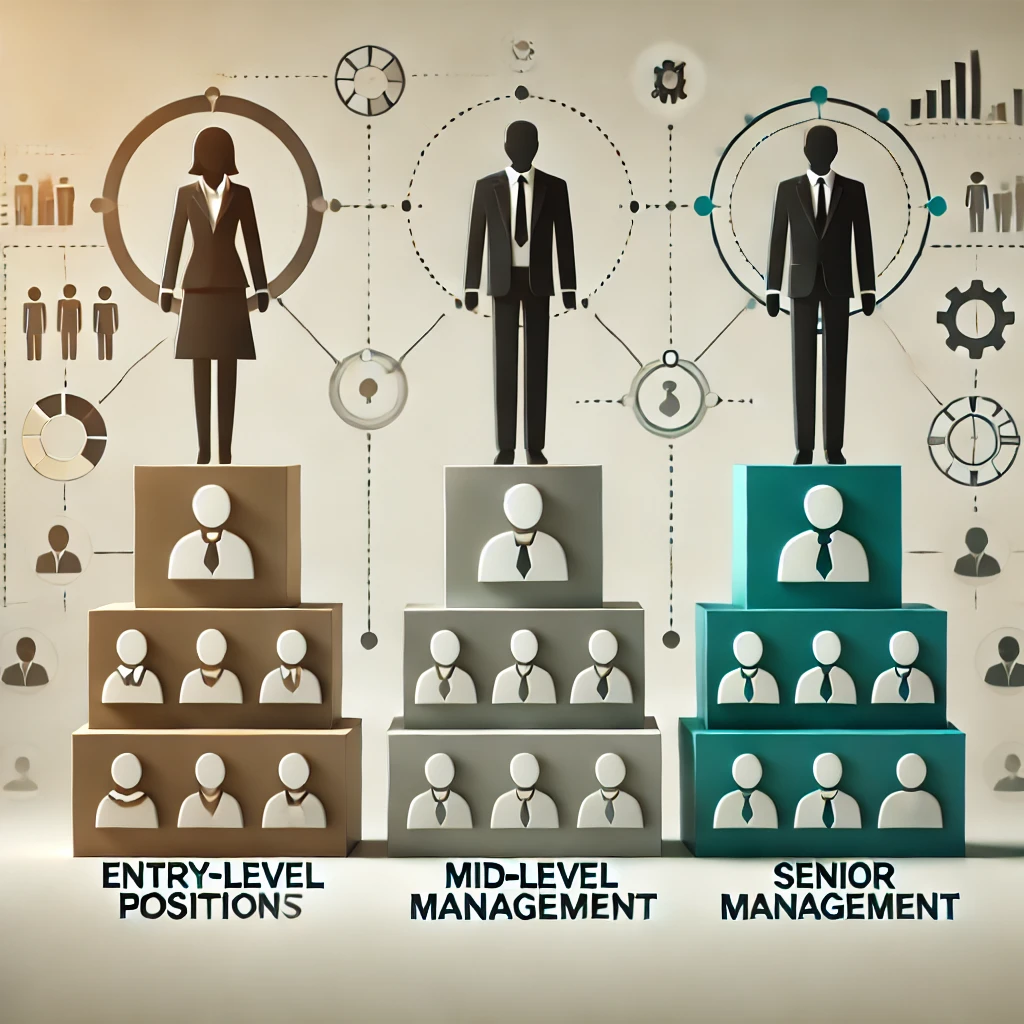
Interpersonal Skills in Action: Enhancing Roles from the Ground Up
Building on the understanding of soft skills’ key aspects, let’s examine how these skills manifest across job roles, from entry-level to senior management. We must also assess their direct impact on productivity and outcomes.
Entry-Level Positions:
- Customer Service Representatives: People skills like empathy and communication can turn a potentially negative customer interaction into a positive experience, boosting customer loyalty and satisfaction.
- Sales Associates: Adaptability and problem-solving skills enable associates to handle unexpected situations, such as inventory issues or special customer requests, effectively increasing sales and enhancing the customer shopping experience.
Mid-Level Management:
- Project Managers: Strong leadership and teamwork skills ensure that projects are completed on time and within budget. Effective communication helps mitigate misunderstandings and aligns team efforts towards common goals.
- HR Managers: Emotional intelligence allows HR professionals to navigate conflicts, foster a positive work environment, and improve retention rates by understanding and addressing the concerns of employees.
Senior Management:
- Executives: Strategic decision-making coupled with interpersonal skills enhances an executive’s ability to lead the organization, inspire employees, and drive the company towards long-term success.
- C-Suite Executives: Collaboration and adaptability are crucial for top executives as they lead the company through market changes and organizational challenges, ensuring the company not only survives but thrives in a competitive landscape.
This example illustrates a brief overview of the critical importance of interpersonal skills across all levels of a company.
Having understood how soft skills manifest across different job roles let’s delve into their significant impact on employee empowerment and engagement.

Empowering Employees Through Interpersonal Skills
Soft skills do more than just enhance job performance; they empower employees by fostering a sense of ownership and responsibility. Strong communication and emotional intelligence make employees more confident. They express ideas and concerns more effectively. This confidence boosts their autonomy, allowing them to make decisions that align with the organization’s goals and their professional growth.
Moreover, people skills like adaptability and problem-solving cultivate an environment where innovation is not just encouraged but expected. Employees who can think critically and creatively are more likely to develop innovative solutions to challenges, driving the organization forward. Such skills are particularly vital in today’s fast-paced business environments where responding and adapting to change swiftly can be a significant competitive advantage.
Additionally, the ability to work collaboratively is pivotal for fostering teamwork that leads to successful outcomes. Teams that communicate effectively and respect each individual’s contributions are more engaged, cohesive, and productive. This collaborative environment enables companies to harness diverse perspectives, which is crucial for innovation and problem-solving.
In essence, interpersonal skills are essential tools. They help employees navigate complex roles with confidence and creativity. Investing in these skills enhances individual performance and elevates team capability. This ultimately leads to sustained organizational success.
Building on the understanding of how soft skills empower employees and enhance organizational dynamics, it’s important to discuss effective strategies for integrating soft skills training into existing development programs.

5 Strategies for Integrating Interpersonal Skills into Development Programs
1. Leadership Buy-In:
- Securing leadership buy-in is a foundational step for the successful integration of soft skills training. Leaders must recognize the tangible benefits of people skills, such as improved teamwork, customer satisfaction, and innovation. Leadership support is fundamental in championing these skills as core competencies within the organization’s culture. Leaders can advocate for interpersonal skills development by sharing success stories and data that highlight the positive impact on business outcomes.
2. Incorporating Soft Skills into Existing Training Modules:
- One effective strategy is to weave soft skills components into existing technical training modules. For example, a technical training session could include exercises on communication techniques or problem-solving scenarios relevant to the technical content. This approach helps employees see the practical application of interpersonal skills in their daily tasks.
3. Role-Specific Soft Skills Training:
- Tailor soft skills training to specific roles within the organization. For instance, customer service representatives might receive intensive training in empathy and communication, while managers might focus on leadership and conflict resolution skills. Customizing the training ensures that each employee develops the skills most relevant to their position and responsibilities.
4. Continuous Learning Opportunities:
- Create continuous learning opportunities for soft skills development, such as workshops, seminars, and online courses. Encourage ongoing learning by incorporating these offerings into the personal development plans of employees. Regular updates and refreshers can help keep soft skills sharp and relevant.
5. Measuring the Impact of Soft Skills Training:
- To measure the effectiveness of soft skills training, organizations can use a variety of metrics depending on the goals of the training. Employee feedback, performance reviews, customer satisfaction scores, and retention rates can all indicate the success of soft skills initiatives. Additionally, behavioral assessments before and after training sessions can provide quantitative data on skill improvement.
By implementing these strategies and ensuring leadership support, organizations can effectively integrate soft skills into their development programs.
Following our exploration of strategies for integrating soft skills into development programs, let’s examine real-world case studies that demonstrate the successful application of these skills within corporate training frameworks. These examples not only showcase practical implementations but also the tangible benefits companies have reaped as a result.

Case Studies: Success with Soft Skills Integration
Google’s Project Aristotle:
A famous example is Google’s Project Aristotle, which studied hundreds of its teams to determine what led to their success. The project found that the best teams were not those with a concentration of top individual performers, but those with high levels of psychological safety, a concept deeply intertwined with soft skills like empathy, communication, and collaboration. As a result, Google focused more on fostering an environment where employees felt safe to express ideas and take risks, leading to higher team effectiveness and innovation.
Hilton Hotels:
Hilton Hotels emphasizes soft skills, particularly by empowering front-line employees through extensive customer service training. This focus has led to increased guest satisfaction scores and higher employee retention rates. The company has numerous industry awards for service excellence. Soft skills training helps employees manage diverse customer scenarios. This directly enhances the hotel’s reputation and success.
Zappos:
Zappos, known for its exceptional customer service, attributes much of its success to its company culture and the emphasis on soft skills among its employees. The company offers extensive training in communication and problem-solving skills. Therefore, resulting in high employee satisfaction and loyalty, which translates into improved customer experiences and business performance.

Parting Thoughts
The case studies of Google, Hilton Hotels, and Zappos illustrate the significant impact that interpersonal skills can have on a company’s internal dynamics and its market performance.
As we’ve discussed, integrating soft skills into your organization’s development programs can lead to improved employee retention, higher job satisfaction, and enhanced overall performance. These outcomes highlight the critical role soft skills play in both individual and organizational success.
It’s time for organizations to reevaluate their training and development focus to prioritize people skills. By doing so, companies can unlock the full potential of their workforce, fostering an environment that promotes growth, innovation, and sustained success. Begin by assessing your current training programs, identifying gaps in soft skills training, and committing to a strategic implementation that aligns with your organizational goals. Let’s make soft skills a cornerstone of professional development and watch as our teams thrive in an ever-evolving workplace landscape.
Read more on Psychology and Business here.
Good Luck & Happy Collaborating!
Leave a Reply