
People with ADHD have several issues focusing; evidently this leads to problems with planning or preplanning. It’s not just about struggling to execute a plan; for many with ADHD, the challenge begins with starting the planning process itself.
Whether you have ADHD, know someone who does, or are simply curious about this topic, let’s explore this particular challenge together.
We will evaluate why planning is a challenge and how it can be addressed. Don’t miss the recommended tools (unsponsored apps) in the second part of the article.
The Why: The ADHD Mechanisms
The How: The Solutions
The ADHD Mechanisms
For those of us who live with ADHD, planning can be one of the most challenging aspects of our daily lives. Various psychological mechanisms impact the ability to plan, organize, and execute tasks. Every single one of these traits is a part of a giant cycle: The ADHD Cycle. Let’s break down the key factors that contribute to The Why part of this struggle.
1. Executive Dysfunction

Executive dysfunction is a core issue in ADHD. It affects the brain’s ability to plan, organize, and manage time. This can make it hard to break tasks into smaller steps, foresee what needs to be done next, or set priorities. Essentially, it disrupts the brain’s “management system.”
“ADHD is EFDD – Executive Functioning Disorder. ” -Dr. Barkely
- Dr. Russell Barkely in this lecture excellently breaks EFDD down in great detail.
2. Working Memory Deficits
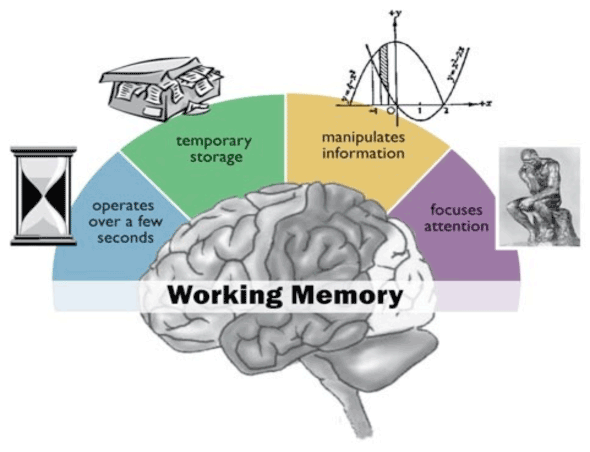
Many people with ADHD have trouble with working memory, which can make it difficult to remember what needs to be done or to follow through on a plan. If you are unable to retain most of the data required to execute a task, the function of the working memory, how do you expect to plan for it?
3. Time Perception Issues

People with ADHD often have a distorted sense of time. They might struggle to estimate how long tasks will take or wait until the last minute to start. Planning becomes more and more daunting and discouraging due to this.
4. Procrastination and Avoidance

Procrastination often goes hand in hand with ADHD. Sometimes, people avoid planning altogether because they’re anxious or afraid of failing. This avoidance can be a way to dodge feelings of being overwhelmed or inadequate. Are you starting to see the giant cycle now?
5. Low Self-Efficacy

Low self-confidence in personal abilities can cause individuals to avoid planning entirely. This avoidance can add to the cycle where poor planning leads to poor outcomes, which then reinforces the belief that they aren’t capable of planning well.
6. Emotional Regulation Problems

Emotional regulation, or emotional dysregulation, is another common issue in ADHD. Stress, frustration, or other negative emotions can interfere with the planning process. These emotions can make it hard to stay on track with a plan or even begin one in the first place.
Having understood The Why; let’s compass explore practical strategies that can help overcome these challenges, making planning a little easier for those with ADHD.
The Solutions
Here are some straightforward strategies to help, The How (to deal with ADHD and inability to plan) part of this equation.
1. Executive Dysfunction
Break Tasks Down & Prioritize:
Simplify tasks by breaking them into smaller steps. Use lists or apps to prioritize what’s most urgent.
- Recommended App: Todoist
- Why: Todoist helps you break down tasks into subtasks, set priorities, and create simple to-do lists. It’s intuitive and easy to use, making it perfect for managing and organizing tasks.

2. Working Memory Deficits
Use External Reminders:
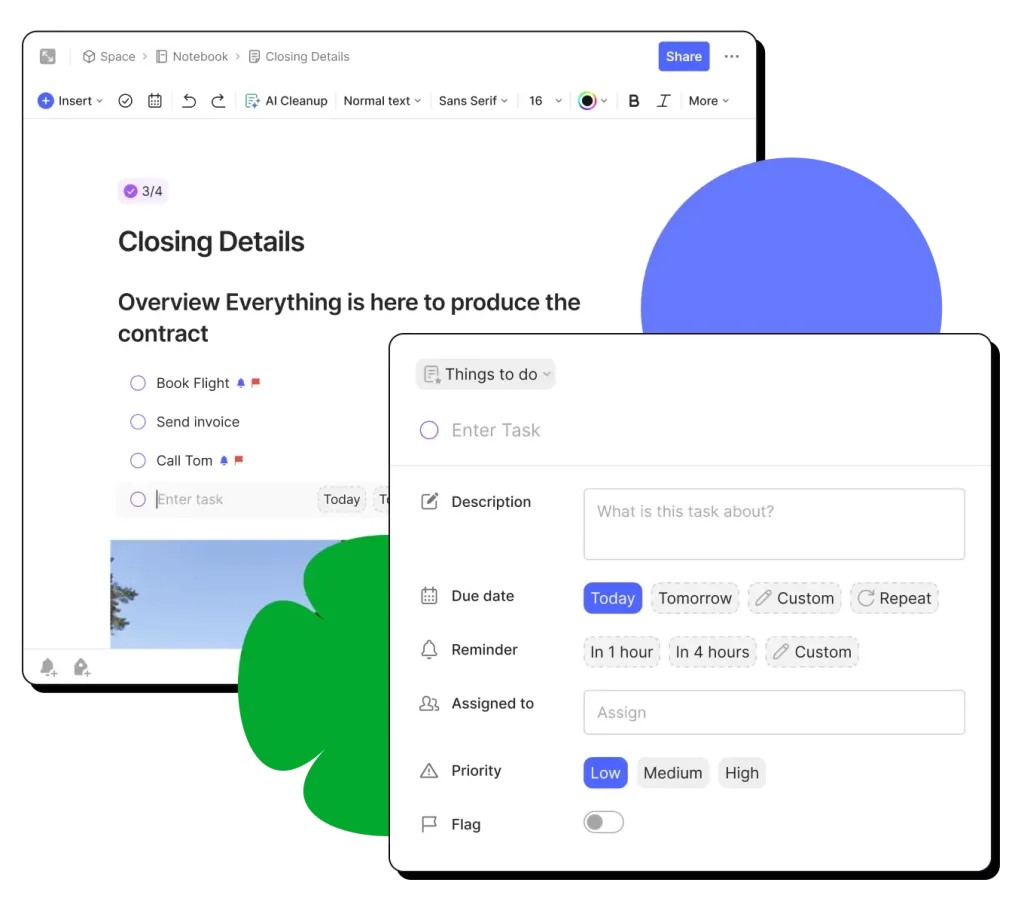
Rely on sticky notes, digital reminders, or checklists to track tasks. Review them regularly to stay on course.
- Recommended App: Evernote
- Why: Evernote allows you to capture and organize notes, reminders, and to-do lists all in one place. It’s great for keeping important information accessible and reviewing it regularly.
3. Time Perception Issues
Time Blocks:
Set specific times for tasks and use timers to stay on track. The Pomodoro Technique (25 minutes work, 5 minutes break) can help.
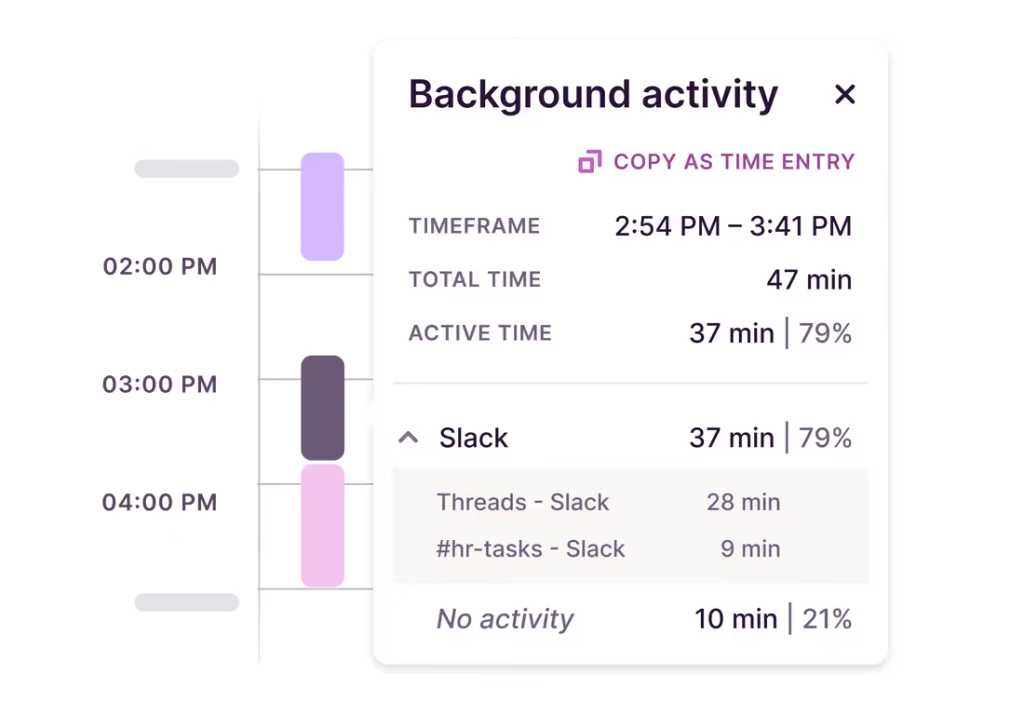
- Recommended App: Toggl Track
- Why: Toggl Track allows you to track the time you spend on different tasks. It helps you understand how long tasks actually take, improving your ability to estimate time more accurately.
4. Procrastination and Avoidance
The 5-Minute Rule:
Start tasks by committing just five minutes. Often, starting is the hardest part, and this makes it easier to continue.
Reward Yourself:
Give yourself small rewards after completing tasks to boost motivation.
- Recommended App: Forest
- Why: Forest uses a gamified approach to help you stay focused. You set a timer, and if you stay on task, a virtual tree grows. It’s a simple way to commit to that initial 5 minutes and build momentum.

5. Low Self-Efficacy
Start Small:
Begin with easy tasks to build confidence. Reflect on your successes to reinforce your planning abilities.
- Recommended App: Habitica
- Why: Habitica turns task management into a game, rewarding you for completing tasks. Starting with small tasks and earning rewards can help build confidence in your ability to plan and execute.

6. Emotional Regulation Problems
Mindfulness:
Practice mindfulness to manage stress and keep emotions in check while planning. Regular emotional check-ins can help you stay focused.
- Recommended App: Headspace
- Why: Headspace offers guided mindfulness and meditation exercises that can help you manage stress and stay emotionally balanced, making it easier to focus on planning.
Parting Thoughts
Planning can be a significant challenge for those with ADHD, but understanding the underlying mechanisms and using the right tools can make a world of difference. By breaking tasks into manageable steps, leveraging helpful apps, and practicing emotional regulation, planning becomes more achievable. With these strategies, you can take control of your time, reduce stress, and create a more organized, fulfilling daily life. Remember, every small step forward is progress in breaking the ADHD cycle.
Good luck!
P.S If you wish to read more similar articles please visit the Psychology and Healing category of the blog.
Leave a Reply