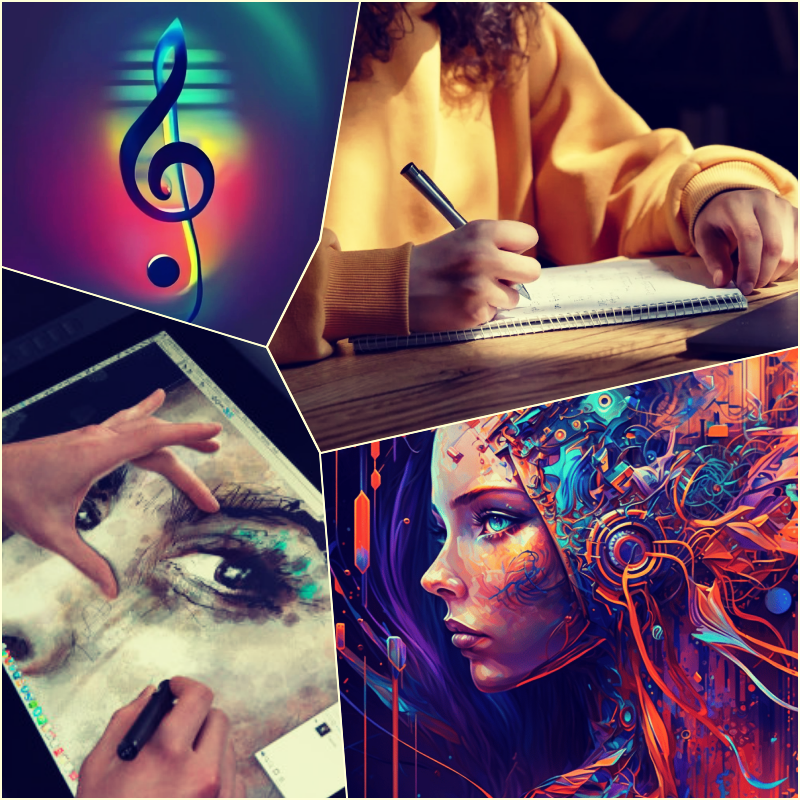
In a world where every individual’s creative potential can be a beacon of healing and understanding, the words of Steven Pressfield resonate deeply:
“Creative work is a gift to the world and every being in it. Don’t cheat us of your contribution. Give us what you’ve got.”
– Steven Pressfield
This powerful call to embrace our creative selves sets the stage for our exploration of how artistic expression, particularly through content creation, serves not just as a form of personal therapy, but also as a contribution to the collective well-being.
Artistic creations are a medium for emotional expression, and in today’s digital world, content creation serves as its canvas. Whether through “shorts” on Instagram or poetry posts on Facebook, these avenues put across that which is felt within.
Everyone is allowed to feel a range of emotions, including those often labelled as ‘bad’, such as anger, dislike, and hatred. While all these emotions are real and deserve to be?acknowledged and accepted, finding a healthy way to express them is just as important.
Do you feel that perhaps you have not been able to fully harness the therapeutic power of art to honor your emotions? If so, you’re not alone, there are a number of reasons for this.
My studies of clients from various cultures indicate that this form of expression is highly culture-dependent. Interestingly, a clear pattern emerges: cultures that do not foster artistic expression often also neglect mental health, leading to communal problems.
Evidently, artistic oppression links to unexpressed emotions. This emotional suppression can manifest in harmful ways, and these communities typically report higher crime rates and slower growth. Is this a coincidence or correlation? That’s a topic for another blog!
Aside from my theory, content creation, much like any other form of artistic expression, uniquely serves as a therapeutic tool. This article will be divided into 5 pivotal sections:
- Therapeutic Self-Expression and Mindfulness: Exploring the cathartic and mindfulness benefits of expressive writing and flow state.
- Storytelling, Identity, and Therapy: Understanding the role of storytelling in identity formation and mental clarity, similar to the principles of narrative therapy.
- Community Connection and Empowerment: The empowerment and community connections fostered through sharing content.
- Real-Life Applications and Case Studies.
- 10 Steps to Practice Art Therapy: Offering tips for engaging in therapeutic content creation, emphasizing personal growth for both beginners and experienced creators.
In my professional experience, fostering personal growth through art, although in some cultures considered unconventional, is an effective route. In writing this, I hope to assure you that you are not alone in your journey of healing, self-discovery, and possibly overcoming art suppression.
Whether your medium is the written word of blogs, the visual storytelling of videos, the conversational tone of podcasts, the visual impact of photography, the engagement of social media, the depth of e-books, the clarity of info-graphics, the rhythm of music, or the interactive learning of webinars, you embody the essence of an artist. And as an artist, you possess a unique power to heal and transform through your creativity.
“Art washes away from the soul the dust of everyday life.”
– Pablo Picasso
Picture yourself in a moment of creative flow. Can you recall the sense of tranquility and presence it brought? Hold onto that image as we explore how therapeutic self-expression and mindfulness are intertwined.
Therapeutic Self-Expression and Mindfulness

In the pursuit of mental well-being, expressive art has gained prominence for its healing power. It serves as an effective means for achieving self-expression and mindfulness, especially in creative practices.
Mindfulness is a state of being fully aware and present in the moment, attuned to one’s own state and bodily sensations. This heightened awareness is what facilitates our journey towards self-healing and eventually, digital wellness, a healthy mental space co-existing with technology.
Having established the importance of creative expression, let’s look at the insights of renowned researchers like Arnheim, Metzger, and Edward Smith, who have significantly contributed to our understanding of this field.
- Rudolf Arnheim (1982), a perceptual psychologist who studied how art and psychology are connected, believed that our senses, especially sight, are key to understanding reality.
- His work states that art is not just creative but a significant way of thinking and expressing our emotions, experiences and ideas.
- He claimed that art creation is a pathway to understanding our world, deeply engaging our senses and cognitive processes.
- This aligns closely with the concepts of mindfulness in creativity and personal growth, as it encourages a deeper connection with our surroundings and inner selves.
- Wolfgang Metzger (1975), a key figure in Gestalt psychology, illustrates how our brains perceive and interpret art with creating meaningful experiences.
- Metzger believed that what we see isn’t just what’s in front of us, but how our brain makes sense of it. Our brains are wired to see things as part of bigger patterns, not just as separate items. So, if we look at a bunch of dots, we’re likely to see a circle or a shape, not just the dots by themselves.
- Metzger’s concepts have been integrated into fields like neuroscience, helping us understand the brain’s role in processing visual information.
- This concept sheds light on how our interaction with digital content can be transformed into a therapeutic process. Creating and visually experiencing these creations have a collective and lasting impact on a cognitive level.

- Edward Smith (2012), a major contributor to the psychology of arts, shows how different forms of art facilitate expressive art and personal exploration.
- His work echoes the principles of storytelling therapy, where narrative and expression converge to foster mental wellness.
- He discusses theories from well-known psychologists like Freud, Adler, and Jung to show this.
- His work offers insights into the diverse ways in which different art forms, from visual arts to storytelling, such as painting, music, and film, help deepen our understanding of ourselves.
These theories lay the groundwork for understanding the ‘flow state’, a profound aspect of artistic engagement where healing and mindfulness converge.
‘Flow state’ is an immersive experience that every artist resonates with, embodying a moment where creativity is uninhibited, allowing for a deep and harmonious union between the artist and their medium, fostering a sense of fulfillment and mental clarity. Not only is this enjoyable but works as a tool for creative healing. It provides a pathway for individuals to identify and process emotions, alleviate stress, and gain new perspectives.
Content creation from a place of mindful creativity, in this context, acts like mental yoga. It nurtures emotional resilience, offers a safe haven for self-expression, and catalyzes both personal growth and digital wellness alike. Creating artistic content is a form of self reflection, meditation, expression and rejuvenation.
In the words of Georgia O’Keeffe, art offers a unique mode of expression, echoing the sentiment that creating content can be a deeply personal and revealing journey.
“I found I could say things with color and shapes that I couldn’t say any other way – things I had no words for.”
–GEORGIA O’KEEFFE
Inspired by O’Keeffe’s perspective, let’s reflect on the emotional clarity gained through self-expression and mindfulness. Now, think about how your personal story has evolved over time. What chapters stand out, and how have they defined you? As we ponder these questions, we segue into the intricate world of storytelling, identity, and therapy.
Storytelling, Identity, and Therapy

The Essence of Storytelling
Imaginative tales, authentic accounts, engaging presentations.
Storytelling is at the heart of all creative expression, linking our words to who we are. Each narrative offers a window into the creator’s world, revealing aspects of their identity.
More Than Communication
Psychology views storytelling as a key method for integrating experiences into our ongoing identity. Each person’s story of experiences and emotions, offers insights into their past, present, and future.
Shaping Identity and Mental Clarity
Storytelling shapes our identity and enhances mental clarity. It’s a core principle of narrative therapy, acknowledging the profound influence of our life stories on our worldview. Through storytelling, we process and reinterpret our experiences, continually reshaping our identity.
The Power of Narrative Therapy
This therapy approach empowers individuals as the authors of their own lives. It’s respectful and non-judgmental, focusing on leveraging personal skills and values to navigate life’s challenges. This method fosters mental clarity and allows for the reconstruction of narratives in an inclusive, empowering way while supporting transformative personal growth.
Uncovering Patterns and Themes
Beyond narrative therapy, recognizing and valuing each creator’s unique story, leads to identifying patterns and themes that shape our thoughts and actions. This process promotes a comprehensive and inclusive understanding of our identities, valuing the diversity of experiences and perspectives.
Storytelling in the Digital Age
Storytelling in the digital age takes an entirely new dimension. In this modern context, storytelling transcends traditional boundaries as it provides a platform for a dynamic range of expression. The virtual world becomes a powerful tool for emotional processing and clarity, especially for content creators.
“The aim of art is to represent not the outward appearance of things, but their inward significance.”
– Aristotle
Aristotle’s insight into the inward significance of art prompts us to reflect on how our personal stories interact with those around us. How does your story influence or is influenced by those around you? In the weave of these narratives, we find a rich community of connection and empowerment.
Community Connection and Empowerment

Psychological Basis of Community Connection
- Why do we need community connections to fulfill our intrinsic need for social belonging and validation? This psychological foundation is rooted in our desire to relate to others and be part of a collective experience.
- When individuals share their stories and creative works, it resonates with the experiences and emotions of others in the community, reinforcing a sense of shared identity and collective understanding, essential for emotional well-being.
Impact of Community Connections on Individual Empowerment
- The act of sharing vulnerabilities and achievements within a community inspires and encourages others to engage similarly, creating a cycle of resilience and empowerment.
- Observing and participating in the collective narrative of a community enhances an individual’s belief in their ability to influence their life and positively impact others. This is closely tied to the concept of self-efficacy.
- Community members draw strength from shared experiences and the collective wisdom available in these groups, which is invaluable in navigating personal challenges or creative pursuits.
Role of Content Creation in Fostering Community
- In the digital age, platforms like social media, blogs, and forums serve as new-age realm where individuals from varied backgrounds can connect, share experiences, and find support.
- Content creation amplifies personal voices and experiences, allowing for a connection that transcends geographical and cultural barriers. It fosters a global community where creativity and experiences are shared and celebrated.
- These digital communities not only connect people but also encourage collaboration, learning, and growth. They provide spaces for sharing knowledge, offering feedback, and mutual encouragement.
This dynamic of content creation and community building in the digital sphere resonates with Albert Einstein’s view. The contagious nature of creativity is a driving force in these digital communities, spreading ideas, inspiration, and support.
“Creativity is contagious, pass it on.”
– Albert Einstein
As we move from understanding communal narratives to individual stories, let’s shift our focus to tangible examples. These real-life stories and observations offers a practical understanding of the concepts discussed so far.
Real-Life Applications and Case Studies
This case study analysis is structured to showcase insights gained from applying art psychology in my practice with patients. My extensive exploration of the transformative power of artistic expression has not only enriched my personal understanding but also guided my approach to client treatment. This analysis begins with an overview of my personal journey in art psychology, followed by the observation of three distinct groups and their respective responses to creative arts.

Case Study 1: Personal Journey – Embracing Art for Self-Discovery
- Background: My journey into the therapeutic world of artistic expression began in childhood and has continued into my professional career.
- Content Creation Forms: This includes a diverse range of activities, from writing blogs, business pitches, and academic studies, to engaging in fiction, acrylic painting, travel and food journaling, and social media videos.
- Observations:
- Early Writing: Beginning at age 11, writing fiction served as an outlet for expressing and navigating complex emotions that I was initially unable to understand or address.
- Adolescent Exploration: In my teenage years, short videos involving acting, dancing, and singing provided a channel for emotional expression and a deeper connection with myself.
- Adult Discoveries: In my mid-20s, I discovered the healing power of acrylic painting, particularly effective in confronting pain.
- Integration of Mediums: Combining painting, writing, and marketing skills honored my need for creative output, contributing significantly to my ongoing healing and personal development till date.
- Outcomes:
- Self-Identification and Growth: What initially appeared as an escape turned into a vital part of my self-identification, expression, and personal growth.
- Empathy in Practice: My personal experiences with various art forms have greatly enhanced my empathetic connection with clients, allowing me to understand and relate to their journeys on a deeper, more authentically human level.
- Professional Application: These experiences have been instrumental in shaping my approach as a psychologist, emphasizing the importance of embracing emotions of all types and recommending creative expression as an outlet in therapeutic contexts.

Case Study 2: The Expressive Artistic Response Group
- Background: The cases observed were a diverse group of clients, each with unique experiences and challenges, exploring the therapeutic benefits of artistic expression. This observed group had a history with practicing art, either online, traditional or both.
- Content Creation Forms: Clients engaged in a diverse array of artistic mediums, including music composition, vocal performance, dance, literary writing, digital artistry, game design, and photography
- Observations:
- Readiness and Understanding: Clients previously involved in any form of art showed a natural inclination towards therapeutic practices and required less persuasion to integrate creative expression into their therapy.
- Client Engagement: Among clients recommended to incorporate content creation into their therapy, a significant 80% found it beneficial and continued to use it as part of their healing journey.
- Range of Expressions: The most common artistic expressions among clients were from expression of music through dancing or singing, followed by writing then photography.
- Outcomes:
- Therapeutic Relief: Clients experienced substantial relief from emotional distress through their chosen form of artistic expression. Reports of how the flow state encouraged mindfulness were common.
- Community Validation: Engagement with online communities provided a platform for validation and connection, offering support and understanding from others.
- Self-Reflection: The process of creating and sharing art led to introspection, aiding clients in understanding their emotions and thought processes.
- Accelerated Healing: Incorporating creative expression had paved a calm state that expedited self growth. Notably, many clients were surprised by how relatable their art was to others and a few were just exhilarated from being able to produce art, which significantly fast-tracked their healing process.
“You can be cautious or you can be creative, but there’s no such thing as a cautious creative.”
– George Lois

Case Study 3: The Limited by Resource Group
- Background: While many clients benefited from integrating artistic expression into their therapy, some faced challenges that hindered their continued engagement in these activities.
- Challenges Identified:
- Time Constraints: Some clients struggle to find time in their schedules to dedicate to artistic pursuits, leading to inconsistent participation.
- Cultural and Social Factors: Cultural stigmas or lack of support for artistic endeavors in some clients’ communities can act as significant deterrents.
- Family or Relationship Dynamics: Unsupportive or controlling family members or partners can impede clients’ ability to freely express themselves through art.
- Self-Doubt and Confidence Issues: A lack of confidence or growth mindset can prevent clients from fully engaging in or continuing with their artistic pursuits.
- Outcomes:
- Temporary Relief: Even those who briefly engaged in content creation reported experiencing a sense of rejuvenation and meaningful expression.
- Awareness of Benefits: Despite discontinuing journaling or creating content, these clients acknowledged the therapeutic benefits of the creative process.
- Tailored Treatment Plans: These clients were then provided with treatments addressing their immediate respective needs, such as:
- Self-Esteem Building
- Time Management Strategies
- Navigating Family Dynamics
- Re-establishing Healthy Boundaries

Case Study 4: The Sensitively Tailored Group
Case Study 4: The Sensitively Tailored Group
- Background: Certain clients present unique challenges that require a more tailored approach to the inclusion of artistic expression in therapy.
- Special Considerations:
- Online Scrutiny Concerns: Clients who express apprehension about the public nature of online content creation, particularly due to fear of scrutiny or criticism.
- Highly Sensitive Clients: Individuals whose conditions might be exacerbated by public exposure or feedback.
- Adapted Strategies:
- Private Expressive Outlets: Recommending journaling or private art projects as an alternative to public sharing, providing a safe and controlled environment for expression.
- Focused Guidance: Emphasizing personal growth and self-reflection over community feedback or validation.
- Effectiveness:
- Positive Therapeutic Impact: These adapted methods have proven effective in providing the therapeutic benefits of artistic expression while respecting individual sensitivities and preferences.
- Comparison with Case Study 2: The impact on clients engaging in private artistic expression was subtler compared to those sharing publicly. They lacked the community validation and feedback, crucial for motivation and affirmation.
- Benefits of Self-Reflection: Despite this, the group experienced significant self-reflection benefits, substantially aiding their healing journey.
- Outcome: This emphasizes the need for a customized therapeutic approach. It highlights that both public and private forms of artistic expression are valuable, especially for clients with particular sensitivities or challenges.
“Creativity is inventing, experimenting, growing, taking risks, breaking rules, making mistakes, and having fun.”
– Mary Lou Cook
Now that you’ve seen the power of art in others’ lives, it’s your turn. Remember what Mary Lou Cook said about creativity being fun. Have fun while achieving digital wellness with these 10 essential steps to actually practicing art therapy.
10 Steps to Practice Art Therapy

Are you ready to embark on your own journey of therapeutic art creation? In order to benefit from the therapeutic benefits of content creation, remember it’s not just about producing material for an audience; it’s a journey of self-discovery and healing.
Here are practical tips for both beginners and experienced creators to effectively engage in therapeutic content creation:
- Start with Intention: Whether you’re a beginner or an experienced creator, approach content creation with a clear intention. Ask yourself what you hope to achieve – whether it’s processing emotions, exploring aspects of your identity, or simply expressing creativity.
- Choose Your Medium Wisely: Different forms of content creation offer different therapeutic benefits. Writing can be introspective, painting can be emotionally liberating, and digital creation offers limitless possibilities. Select a medium that resonates with your current emotional and creative state.
- Create a Safe Space: Ensure that your creative process occurs in a space where you feel safe and undisturbed. This could be a physical space like a quiet room or a digital space free from external pressures.
- Regular Practice: Like any therapeutic practice, regular engagement is key. Set aside dedicated time for your creative pursuits. Consistency helps in developing not only your skills but also in deepening the therapeutic impact.
- Embrace Imperfection: Especially important for beginners, understand that the goal isn’t perfection. The value lies in the process of creation and the emotional journey it facilitates. Allow yourself to make mistakes and learn from them.
- Reflect on Your Creations: Take time to reflect on what you’ve created. This can be a powerful tool for self-awareness and growth, helping you to understand your thoughts, emotions, and the growth you’re experiencing.
- Seek Community Feedback: If comfortable, share your work with a trusted community. Feedback can be incredibly validating and offer new perspectives on your work. However, remember that the primary audience is you, and your personal growth is the priority.
- Explore Diverse Themes: Don’t limit yourself to certain topics. Exploring a variety of themes can provide broader insights into your experiences and emotions, enhancing the therapeutic journey.
- Document Your Journey: Keep a record of your creations and thoughts over time. This documentation can become a powerful tool for tracking your personal growth and development.
- Combine with Professional Guidance: If possible, combine your creative endeavors with professional therapy. A therapist can offer valuable insights into your creative process and help you integrate your artistic expressions into your broader therapeutic journey.

By following these guidelines, content creation becomes more than just an artistic endeavor; it transforms into a therapeutic journey, fostering personal growth and self-discovery. For both beginners and experienced creators, it’s an opportunity to explore the depths of their inner world and emerge with greater self-awareness and resilience.
“The creative adult is the child who survived.”
– ??Ursula Le Guin
You’ve discovered the steps; now the journey is yours to take. Embrace your creative power as we bring our exploration to a close.
As we conclude, ask yourself: What creative step can I take today towards healing and growth? Remember, your artistic journey is a pathway to discovering the depths of your potential.
In the symphony of life, each of us holds the power to create masterpieces through our creative endeavors. Yours could be a beacon that lights the way for others. Embrace your creative spirit, for in doing so, you not only transform your own life but also contribute to a world rich in understanding, connection, and growth.
In essence, the journey of content creation is a journey of self-discovery, growth, and healing. As we continue to explore and embrace this journey, let us do so with an open heart, a mindful approach, and an unwavering commitment to our personal and collective growth.
As you leave the page take an action to embrace your inner artist now, do so by committing to starting a journal (if you do, leave a comment), signing up to the online community here or by simply emailing us your story. Good luck and happy creating!

Leave a Reply